“Sugar-Free” Sounds Healthy. But What Does It Really Mean?
Walk down any convenience store aisle and you’ll see it everywhere:
Zero Sugar. Sugar-Free. No Calories.
It sounds like the healthier choice. But in most energy drinks, removing sugar doesn’t mean removing sweetness, it just means replacing sugar with something else.
Usually, that “something else” is an artificial sweetener.
What Are Artificial Sweeteners?
The most common ones used in energy drinks are:
- Sucralose
- Acesulfame potassium (Ace-K)
These compounds are synthetically produced and are hundreds of times sweeter than sugar, which is why manufacturers can use tiny amounts and still create an intense sweet taste without calories.
Why Some People Are Concerned
Artificial sweeteners are approved for use, but research over the past decade has raised questions about how frequent, long-term consumption may affect the body.
Studies have associated heavy artificial sweetener intake with:
- Changes in gut bacteria composition
- Altered glucose and insulin responses in some individuals
- Increased cravings for sweet foods
Importantly, responses vary by person. Some people tolerate them well. Others don’t. But the takeaway is simple: they’re not neutral for everyone.
Why Zero-Sugar Drinks Still Taste So Sweet
Because artificial sweeteners are so potent, manufacturers often use multiple sweeteners together to create a sugar-like flavor profile.
That’s why a drink can say “0g sugar” and still taste sweeter than soda.
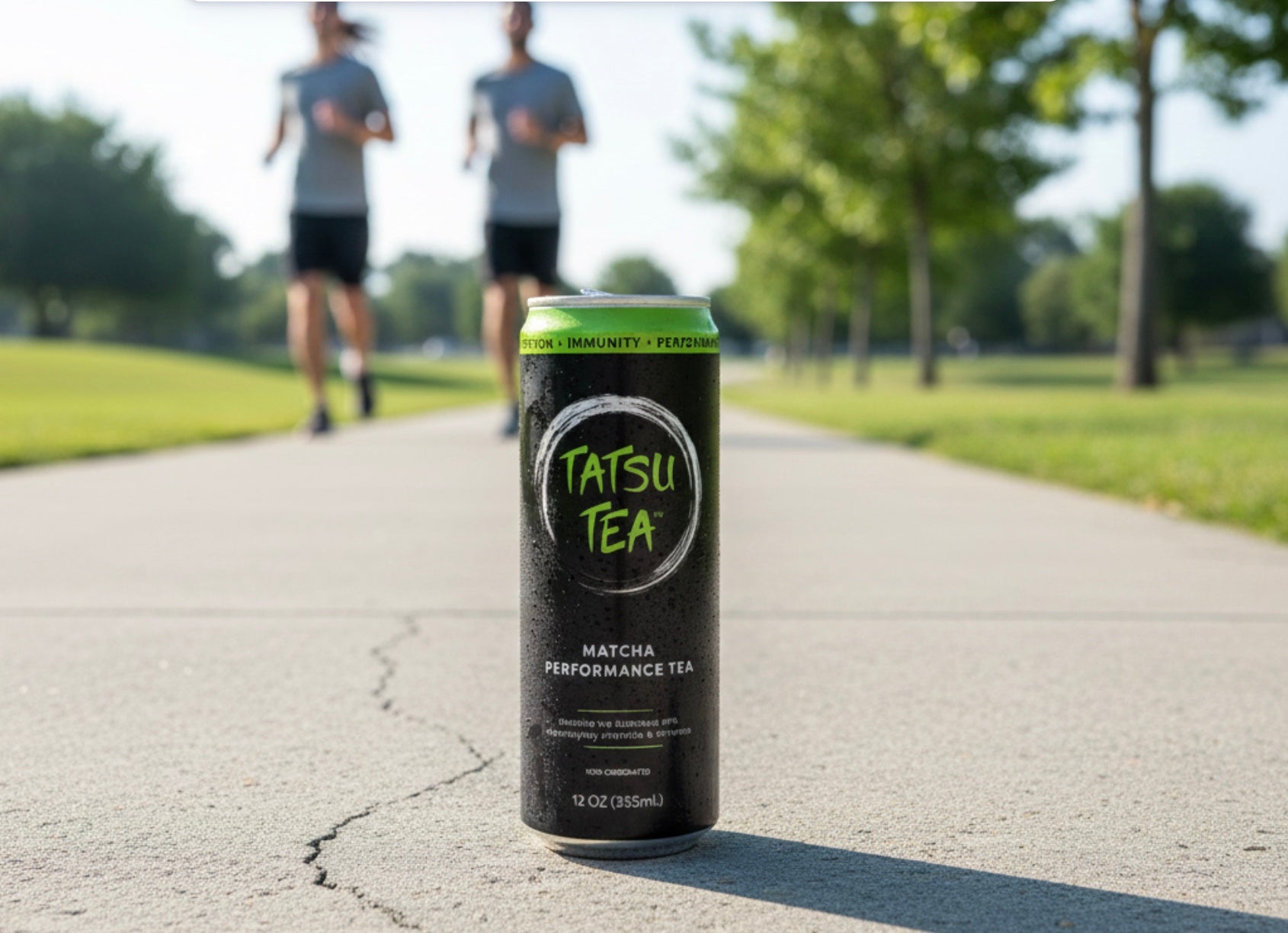
How Tatsu Tea Is Different
We didn’t want a drink that tasted aggressively sweet or relied on lab-made shortcuts.
Tatsu is lightly sweetened with:
- Real lychee fruit juice (for natural flavor and balance)
- A tiny amount of stevia, a plant-based sweetener
Never, ever anything artificial. The result is a drink that’s just sweet enough, without overwhelming your system or masking the taste of real ingredients.
The Bottom Line
“Sugar-free” is a marketing term. It doesn’t tell the whole story.
If you care about how your energy drink actually affects your body, the real question isn’t just how much sugar — it’s what replaced it.
Read the ingredient list.
Understand the sweeteners.
Choose intentionally.
That’s what Tatsu was built for.