As of May 2026, Delaware House Bill 394 proposes restricting the sale of certain high-caffeine energy drinks and caffeinated supplements to anyone under 18 years old. The bill targets drinks containing 100+ mg of caffeine per 8 ounces that are marketed for energy. Traditional coffee and tea are specifically excluded.
Translation?
The conversation around energy drinks is changing fast.
Why Are States Starting to Look at Energy Drinks?
Because some of today’s energy drinks contain a lot of caffeine.
For context:
- A typical cup of green tea: around 25–50 mg caffeine
- Tatsu Tea: 52 mg per can
- Some popular energy drinks: 200–300+ mg in a single serving
That’s a massive difference, especially for teenagers.
Health experts have raised concerns for years about high caffeine intake in adolescents because it may contribute to:
- Increased anxiety and jitters
- Sleep disruption
- Elevated heart rate and blood pressure
- Trouble concentrating after the “crash”
- Dependence on ultra-high stimulant levels
And here’s the part people often miss:
It’s not just the caffeine amount. It’s the speed and experience of it.
A lot of modern energy drinks are designed to hit hard and fast. Bigger doses. More stimulation. More “feel it immediately” energy.
That’s very different from how tea-based caffeine naturally works.
Tea Energy vs. “Shock Your Nervous System” Energy
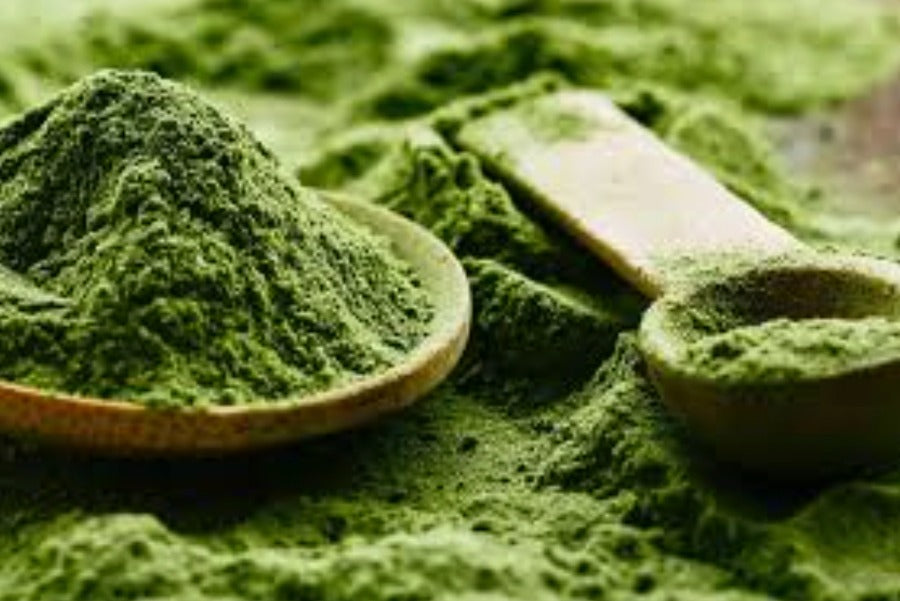
This is exactly why we built Tatsu differently. Tatsu isn’t trying to be the strongest drink on the shelf. It’s built around real Japanese matcha tea — a centuries-old source of calmer, steadier energy.
Matcha naturally contains:
- Caffeine
- L-theanine (an amino acid linked to calm focus)
- Antioxidants
- Naturally occurring plant compounds that slow caffeine absorption
That combination matters.
Research suggests L-theanine may help promote a more balanced feeling of alertness and focus when paired with caffeine, compared to caffeine alone. That’s one reason many people describe matcha energy as “smoother” or “cleaner.”
In simple terms:
Coffee can feel like flooring the gas pedal. Some energy drinks feel like attaching rockets to the car. Matcha feels more like steady cruise control.
The Bigger Point Isn’t Just Teenagers
The Delaware bill is really part of a larger cultural shift.
People are starting to ask better questions:
- How much caffeine is too much?
- Why are energy drinks getting stronger and stronger?
- Why does “energy” have to mean feeling cracked out?
- Is there a better way to fuel performance?
We think there is.
That’s why Tatsu was created by world-class combat sport athletes who needed:
- Focus
- Hydration
- Consistent energy
- Recovery
- Performance without the crash
Not fake neon energy. Not racing-heart energy. Not “I can feel my eyeballs vibrating” energy.
Just clean, steady fuel you can actually live on.
So Where Does Tatsu Fit Into This?
Interestingly, Delaware’s proposed bill specifically excludes traditional tea-based caffeine sources. That distinction says a lot.
Because not all caffeine is created equal.
Tatsu contains:
- 52 mg natural caffeine from matcha
- Electrolytes for hydration
- Vitamin C + zinc
- No added sugar
- No artificial ingredients
- No carbonation
- No mega-dose stimulant overload
It’s designed to help you perform with purpose — whether that’s training, working, studying, parenting, or simply getting through a long day without the crash.
The Future of Energy Drinks?
We think the future looks less like “extreme stimulation", and more like:
- Balanced energy
- Focus
- Hydration
- Function
- Wellness
- Sustainability
In other words:
Energy that actually respects your body.
Delaware may just be the beginning.