Every January starts the same way.
Big goals. Long lists. A plan to become a “new you.”
And by mid-January, most of it is gone.
This isn’t because people lack motivation or discipline. It’s because most New Year resolutions ask the brain to do too much, too fast.
There’s a simpler way to start the year, one that behavioral science consistently shows is more likely to stick.
Instead of changing everything, focus on one small daily habit. One anchor you can return to, even on hard days.
Why Most New Year Resolutions Fail
When people set New Year resolutions, they usually try to change multiple behaviors at once:
- eating better
- exercising more
- sleeping more
- working harder
- stressing less
Each one requires decisions, effort, and willpower.
Behavioral science shows that the brain has limited cognitive resources. This is often described as cognitive load — the mental effort required to make decisions and follow through.
When cognitive load is high, consistency drops.
In simple terms: The more you ask your brain to manage at once, the faster it burns out.
That’s why long resolution lists rarely last.
The Science Behind Starting Small
Research in behavioral psychology consistently points to two principles that help habits stick:
1. Habit Anchoring (also called Habit Stacking)
Habits are easier to maintain when they are attached to something you already do.
For example:
- brushing your teeth
- getting dressed
- leaving the house
-
sitting down at your desk
When a new habit is tied to an existing routine, it requires less effort to remember and less motivation to start.
The habit doesn’t rely on willpower; it relies on structure.
2. Reducing Cognitive Load
Habits that are simple, automatic, and low-effort are more likely to repeat.
When a behavior feels easy, the brain doesn’t resist it. When it feels complicated, the brain looks for a way out.
This is why small, repeatable actions often lead to better long-term results than ambitious resets.
Why One Daily Anchor Works
Instead of trying to change everything at once, behavioral science suggests choosing one daily anchor: a small habit that supports everything else.
When one part of the day feels stable, the rest feels more manageable.
This doesn’t mean other habits don’t matter. It means they’re easier to build after consistency exists.
One anchor reduces decision fatigue. One anchor creates momentum. One anchor makes better choices more likely later in the day.
Why What You Drink Is a Powerful Anchor
What you drink is already a daily behavior.
You don’t need to add time, reminders, or motivation. When that habit supports hydration and steady energy, it affects focus, mood, decision-making, and follow-through.
Spikes and crashes increase stress on the nervous system. Calm, steady energy supports consistency.
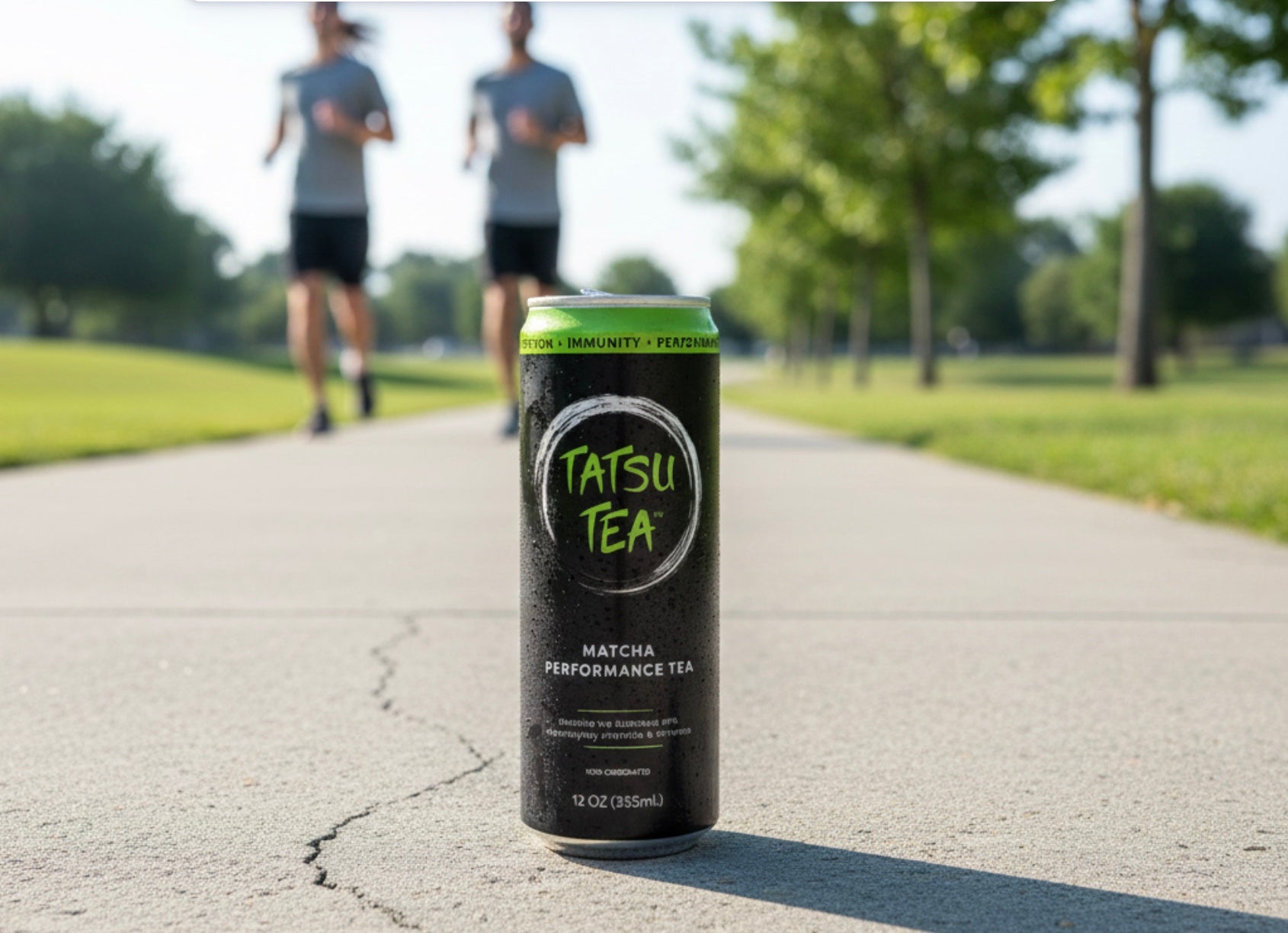
That’s where Tatsu fits in.
Tatsu as the Daily Habit
Tatsu was built to be a repeatable habit, not a hype product. Each can gives you:
- Low caffeine from Japanese matcha
- Naturally occurring L-theanine for calm focus
- Electrolytes for hydration
- No sugar spike
- No crash
It’s designed to support the nervous system, not overwhelm it.
When energy is smoother, decisions feel easier. When decisions feel easier, habits last longer.
A Better Way to Start the Year
You don’t need a whole new you this year. You don’t need a complicated plan or a perfect routine.
Just start with one simple habit you can keep.
One daily anchor. One small commitment. One repeatable choice.
Build from there. That’s how habits actually stick.
HABIT + CLEAN ENERGY FAQ
How does caffeine affect habits?
High-dose caffeine can spike energy short-term but disrupt sleep and consistency. Lower, steadier caffeine supports sustainable habits.
Why is matcha better for daily routines?
Matcha contains L-theanine, which smooths caffeine’s effects, helping with calm focus rather than jittery energy.
How much caffeine is ideal for daily focus?
Research suggests moderate caffeine (around 40–75 mg) supports alertness without overstimulation for most people. Tatsu Tea hits the sweet spot at just 52mg per can.
Can energy drinks hurt consistency?
Yes. Energy crashes, sleep disruption, and dependency cycles make it harder to maintain long-term habits.
Is Tatsu Tea good for everyday use?
Tatsu Tea uses 52 mg of caffeine from matcha — designed for daily focus, hydration, and habit-friendly energy.